
If you are looking to obtain your Private Pilot’s Licence (PPL), the CAA Class 2 Medical is an essential step towards your licence. The examination, carried out by a CAA-approved Aeromedical Examiner (AME), ensures that a person meets the necessary health requirements to safely operate a light aircraft.
In the following guide, we go through each stage of the CAA Class 2 Medical, answering commonly asked questions, advising how to prepare, and giving my personal insight to form a clear picture of what to expect. Whether you are a new flyer or renewing your medical, the process will be explained here to help you feel prepared for this very important assessment.
What is the CAA Class 2 Medical?
The CAA Class 2 Medical is the medical for UK private pilots and, generally, is taken prior to your first solo. The assessment covers both physical and mental health to ensure that you are fit to fly. Although less intensive and invasive than the Class 1 Medical for commercial pilots, the Class 2 Medical still involves a comprehensive check of your cardiovascular health, sight, hearing, and general fitness.
An Aeromedical Examiner (AME) approved by the CAA performs the exam, and you can find your nearest AME using the CAA’s official directory here.
What to Expect During the Examination
- General Physical Examination
The physical exam checks for any obvious health issues that could affect safe flying. This typically includes:- Height and Weight Measurement: Ensuring you meet a healthy weight range, measured by the Body Mass Index (commonly referred to as the BMI).
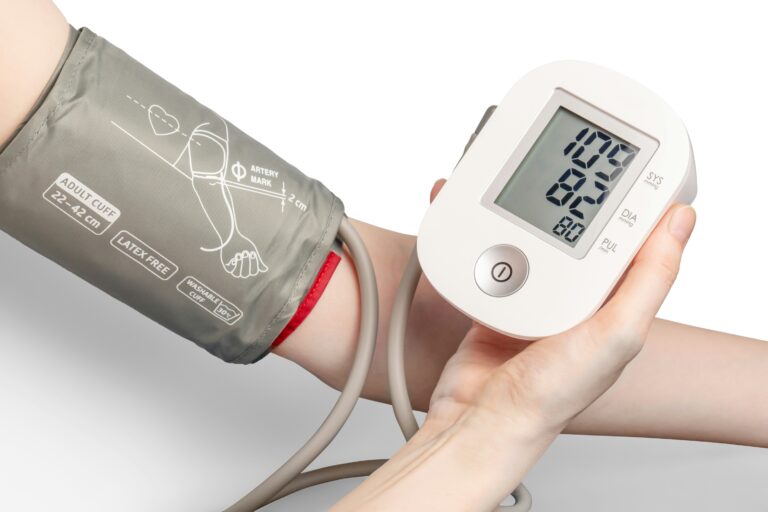
- Blood Pressure Check: Taken with an blood pressure cuff, this test checks for hypertension (high) or low blood pressure that could impact your ability to fly.
- Heart Rate Check: Your AME will assess your heart rate for any irregularities.
- Hearing Test
Good hearing is essential in the cockpit, especially for responding to air traffic control (ATC) instructions. During this test, the AME checks your ability to hear a normal conversation at a specified distance. - Eyesight Test
Good vision is essential for pilots, and your AME will conduct a basic eyesight test. This includes a standard distance vision test and a peripheral vision check, both important for spotting distant objects and maintaining situational awareness. Please note that prescriptions are permitted, however make sure to bring them with you to the exam. - Electrocardiogram (ECG)
For initial Class 2 Medicals, an ECG must be performed to monitor your heart function. Electrode pads are placed on your chest to record the electrical activity of your heart. This quick, non-invasive test provides a reliable check on cardiovascular health. - Urine Sample
The Class 2 Medical also includes a urine sample, which is used to determine whether you have diabetes. I would recommend turning up to your Class 2 with a full bladder.

Blood Pressure Cuff – Photo by Mockup Graphics on Unsplash
My Experience at the CAA Class 2 Medical Examination
For my initial CAA Class 2 Medical, I decided to have my exam at IWM Duxford. Booking with my AME was simple; he offers a booking link here for appointments at different sites.
The exam began with a general physical assessment. My AME began by feeling around my neck, checking for any abnormalities, and palpating (applying pressure around) my abdomen. After this, he took my height and weight measurements. Then came the blood pressure check, where my AME used a blood pressure cuff to measure my blood pressure – ensuring my readings were within a safe range. I also visited the on-site toilets to provide my urine sample.
Since it was my first Class 2 Medical, I also needed an ECG, a simple test involving a few pads being stuck on my chest, and me laying still for a matter of seconds. My AME then took a look at the print-out which all came back good.
Next came a quick hearing test which involved me putting my index fingers in each ear. My AME then said a few numbers for each to confirm I could hear them. The final part of the exam was the eyesight test, which consisted of both distance and peripheral vision. This took place by him moving his fingers and checking that I was able to see when he had stopped moving them. Overall, the experience was pretty straightforward, and my AME was friendly which helped the whole process.
Who Can Perform a Class 2 Medical Examination?
CAA Class 2 Medicals are conducted by certified Aeromedical Examiners (AMEs) approved by the Civil Aviation Authority. Many AMEs travel to various aero clubs and locations across the UK, making it more convenient for pilots to find one nearby. My AME, for example, travels to different locations and clubs, which I found very convenient.
To find an AME near you, visit the CAA’s official directory here. It’s a good idea to confirm with your chosen AME that they perform the Class 2 Medical and any specific tests you may need, such as an ECG for an initial examination.
Frequently Asked Questions (FAQs) About the Class 2 Medical
1. How long does the Class 2 Medical examination take?
The exam typically lasts between 30 minutes to an hour, depending on any additional tests that may be required.
2. What happens if I don’t meet the Class 2 Medical standards?
If there are any issues, your AME will advise on next steps. In some cases, further tests or treatments may be required before a certificate can be issued.
3. How often do I need to renew my Class 2 Medical?
The renewal period depends on your age:
- Under 40: Valid for 5 years
- Ages 40-50: Valid for 2 years
- Over 50: Valid for 1 year
4. Is the Class 2 Medical covered by the NHS?
No, the Class 2 Medical is a private examination, and fees vary depending on the examiner and location.
Tips for Preparing for Your Class 2 Medical
- Get Plenty of Sleep: Being rested will add to overall health and aid in keeping your blood pressure within normal ranges.
- Stay Hydrated: Drinking water before the exam can help with blood pressure and overall comfort.
- Bring Any Required Documents: It is always a good idea to consult your AME for specific forms or documents you may need to bring with you. There is often an NHS medical consent form and a mental health questionnaire.
- Relax: Remember, the Class 2 Medical is a routine check-up, not an exam you can “fail” without reason. Relax, and follow what your AME says, as they’re often pilots themselves and are looking to help you if they can!
Conclusion
Completion of your CAA Class 2 Medical ranks among the major milestones on the road to your PPL. Although it sounds daunting, it isn’t designed to be intrusive, yet validates that you are, in fact, safe and fit to fly.
